
A data center doesn’t ask permission from the water table. It just draws.
Garrett Hardin gave us the phrase everyone half-remembers from a college seminar: the tragedy of the commons. Shared resource, self-interested users, inevitable collapse. Nobody has to be evil. The math just works that way; each person captures the benefit of one more use, and the cost gets smeared across everyone else. Do that enough times and the pasture is dirt.
Swap the pasture for an aquifer. Swap the herders for hyperscale firms.
Same math. Faster clock.
A single data center pulls from the grid, the freshwater supply, the regional airshed (sometimes the aquifer underneath it, too). The developer gets the tax base, the (mostly temporary) jobs, the ribbon-cutting about “leading the AI economy.” The costs (grid stress, falling water tables, heat nobody asked for) land on ratepayers and neighbors who had no seat at the table. Northern Virginia’s interconnection queues are backed up for years. Central Arizona and the Ogallala Aquifer aren’t drifting toward trouble. They’re being run down on a five-year clock, not a fifty-year one.
So: tighten the rules. Add enforcement. Cap the draw. Case closed?
Not even close.
Hardin’s pasture had no rules at all; that was the whole premise. Data centers don’t site into a void. They land inside interconnection queues, prior-appropriation water law, zoning boards, environmental review. Thick institutional terrain, built over decades. The problem was never an absence of rules. It’s that the rules were sized for a different kind of user than the one that just showed up.
Ostrom’s Third Move
This is where Elinor Ostrom is more useful than Hardin ever was.
Ostrom spent a career studying commons that didn’t collapse: irrigation systems, fisheries, groundwater basins managed by the people who actually depended on them, without privatizing the resource or handing it to a distant bureaucrat. She found the durable ones shared a few traits:
- Congruence: rules fit the actual resource and the actual people using it
- Graduated sanctions: the penalty scales with the offense
- Recognition: outside authorities respect a community’s right to govern itself
Her real target wasn’t Hardin’s pessimism. It was his binary. Privatize it or let the state run it; those were supposedly the only two moves on the board. Ostrom found a third, and it worked, repeatedly, across very different resource systems.
But here’s the catch nobody built into that framework: it assumes the people drawing on the resource live with the consequences. Local users. Local accountability. Skin in the game.
Data center siting doesn’t work that way.
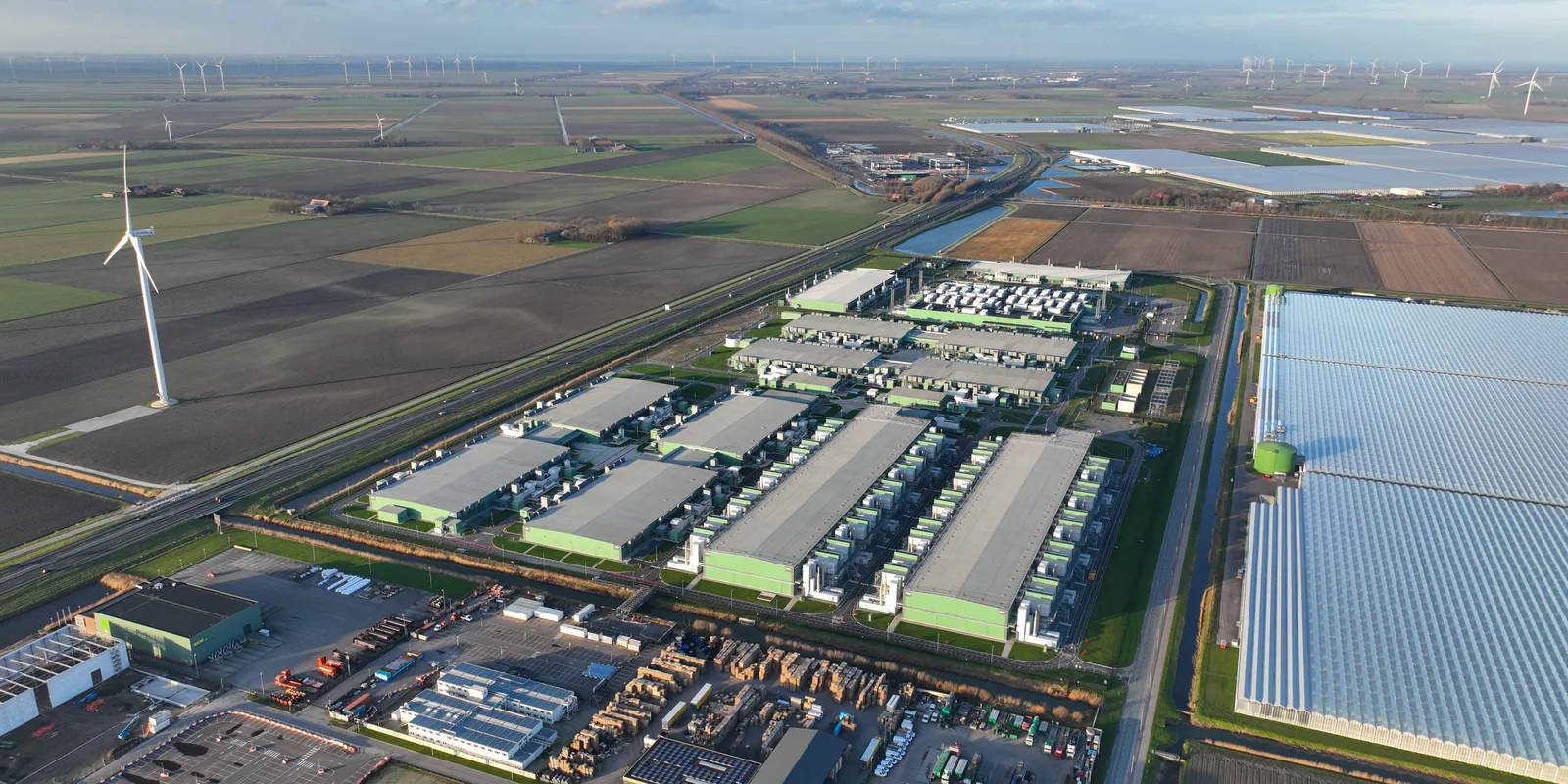
The “community of appropriators” isn’t a village of farmers who share a well. It’s a handful of mobile, multinational firms running site-selection models across dozens of counties at once, hunting for wherever the guardrails are thinnest. Meanwhile the resource (the aquifer, the substation capacity, the airshed) is still stuck at the local scale, governed by institutions that were never built to face down capital this mobile.
Run that through Ostrom’s three conditions and watch each one buckle:
Congruence fails, because the rules were written for neighbors, not footloose capital that can walk to the next county over. Graduated sanctions fail, because one facility’s draw can blow past anything the rulebook ever imagined. Recognition fails, because the first casualty of a project deemed “big enough” is usually the local government’s actual say in the matter.
That’s the mismatch. Not a missing rulebook; a rulebook built at the wrong scale for the players who showed up to use it.
A Stack of Commons, Not One
And it’s not just water. Or just power.
Think of it as several commons stacked on top of each other: water, energy, land, air, tax base, even the basic legitimacy of local government to make its own calls. A single project can stress all of them simultaneously, and the way those layers interact isn’t something either Hardin or Ostrom built their models to handle; both were working one resource at a time.
Can overlapping, multi-scale governance (the polycentric arrangements Ostrom pointed toward late in her career) actually bridge a gap this wide?
That’s the open question.